





Covenant
A covenant is a formal agreement (or undertaking) between two or more parties to do something or to refrain from doing something. The covenantor makes a undertaking to the covenantee to do something or to refrain from doing something. Covenants are binding on the party giving the covenant (the covenantor). Covenants are similar to contract conditions, but the burden they impose may remain enforceable by parties who were not a party to the original arrangement.
For example, a restrictive covenant is a formal agreement between two or more parties that restricts the rights or actions of one or more of the parties. Restrictive covenants may be imposed by a seller of a piece of land, preventing the buyer from using it in a way that could cause harm to land the seller has retained. For example, a restrictive covenants might:
- Prevent buildings or structures being erected on the land.
- Prevent use of the land for business activity.
- Prevent residential development on the land.
The restrictive covenant is tied to the ownership or use of land (it runs with the land), rather than to the original parties to the agreement.
For more information see: Restrictive covenant.
Leasehold covenants are the undertakings made in contracts concerning the leasing of property. Leasehold covenants are sometimes referred to as ‘positive covenants’ because they oblige the parties to do something, as opposed to a restrictive covenant which is an obligation not to do something.
For more information see: Leasehold covenants.
An alienation covenant deals with the transfer of property from one party to another. It is a covenant in a lease which determines whether a tenant can ‘alienate’ the land. This refers to the tenant’s ability to do the following:
- Assigning the lease to another party.
- Underletting or sub-letting the property.
- Sharing occupation of the property.
For more information see: Alienation covenant.
[edit] Related articles on Designing Buildings
- Access to Neighbouring Land Act 1992.
- Alienation covenant.
- Covenant against contingent liabilities.
- Deed of easement.
- Derogation from grant.
- Easements.
- Encumbrances.
- Leasehold covenants.
- Liens.
- Modifying a restrictive covenant.
- Restrictive covenant.
- Right to light.
- Right to a view.
- Rights of way.
- Servient estate.
Featured articles
Check out some of the best features and news from Designing Buildings as well as key stories from around the web.
Connecting knowledge, technology and conservation
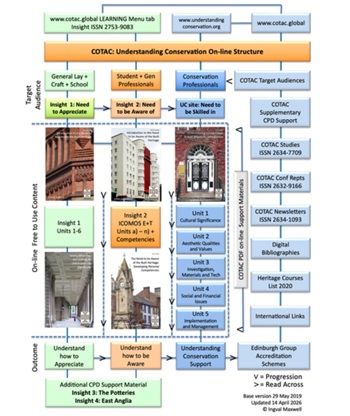
Building competence for the future of built heritage.
Building Regulations and Building Safety Act
CIOB publishes free advice for non-domestic clients.

Building Safety Newsletter from MHCLG.
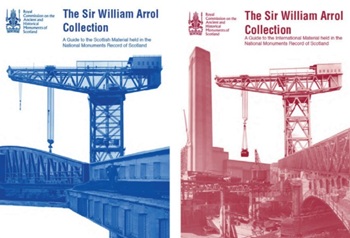
An extraordinary record of steel engineering worldwide.

Households living near new pylons to save on bills.

ECA warns growth must not outpace grid capacity or skills.
The role of the client and decision making

CIOB response to built environment professions call for evidence.
Construction's sustainability reporting revolution

Tracking upfront embodied carbon with digital tools.
ECA welcomes procurement reforms

Public spending must back British jobs and skills.
Campaigning for Edinburgh: the Cockburn Association 1875-2049

The role of the civic voice in protecting character. Book review.

CIOB photography competition is open for entries.
ECA Edmundson apprentice of the year award

Finalists announced.